
Humility-p.113
Taming the Beast
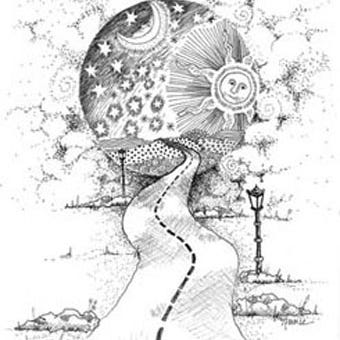
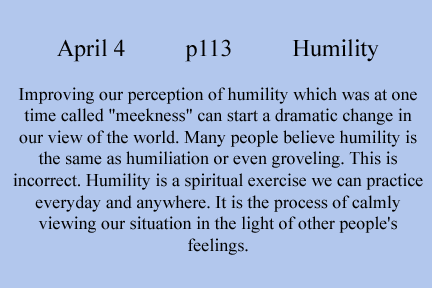
This a reading from my book The Other Road Ahead 👇
Comment
Another way of seeing this concept is believing humility is also gentleness towards other people. We understand that our actions are part of the larger spiritual activity. This will help tame the urges of our shadow nature. Each thing we do can be a prayer or a meditation and part of the ceaseless prayer suggested by the great sages.
Humility is often defined as “fawning” or “docile” and in some Christian terms the words “meek” or “meekness” are commonly thought to be submissive, cowardly, or timid. Maurice Nicoll (✝1953) in his venerable book, The New Man, translates meek (πραΰς from “The Sermon on the Mount”) as “tamed” as a wild animal is brought under control.
This is the concept that will help us in the XXI century. We are wild beasts driven by a legion of desires, programming, propaganda, impulses, and chaos. We careen about life from one stimulus to the next often unaware we are hurting ourselves and others or why we are doing this.
Taming the savage part of our nature is a difficult journey of self awareness. Being meek or humble means we are attempting to “tame” the brutal self and bring forth our perfected nature. Humility is part of this process.
“Blessed are the meek: for they shall possess the land.” Matt 5:4, DRV.* Or: Blessed are those who have tamed their chaotic nature, they will possess the [promised] land. (Metaphorically the promised land is heaven, enlightenment, eternal peace, or the Kingdom of God.)
Humility or meekness is the opposite of self-obsessed or programed. It stems from trust in God's goodness. The gentle person is not occupied with self at all. He or she has cast off their programming and is at peace with the Holy Spirit within.
*translated from the original Vulgate
◼◼◼
You can go to directly to the WEBSITE
◼◼◼
My book is available for purchase HERE
◼◼◼
◼◼◼◼◼◼◼◼◼◼◼◼◼
You continue to write so so clearly. Thank you.